


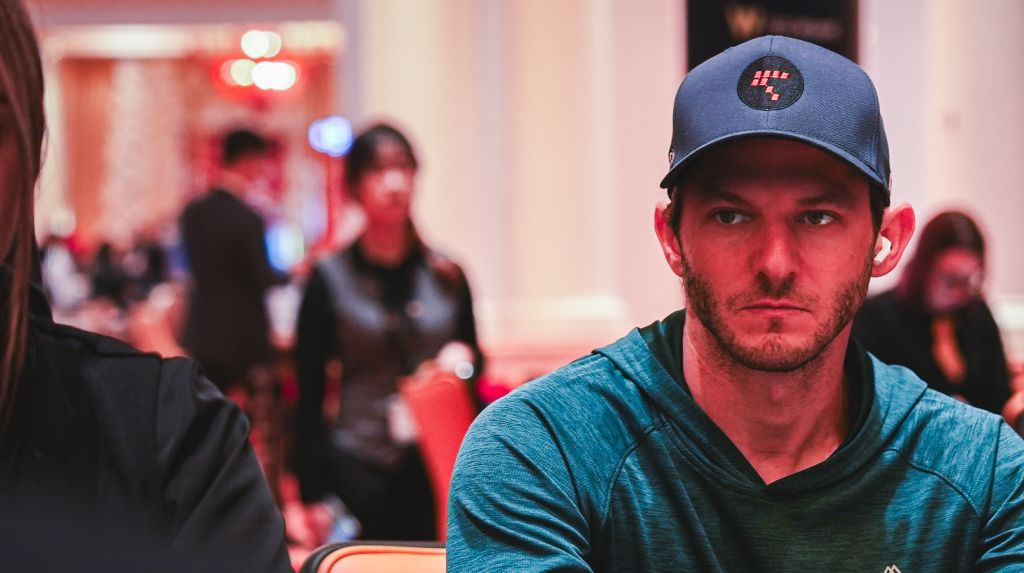
In the world of high stakes poker, a bluff is rarely just a bet made with a weak hand. It’s a calculated decision rooted in layers of advanced poker theory, range interactions, and opponent profiling. A recent GTO LAB video featuring coaches Jon Jaffe and Leon Sturm brings this concept to life by dissecting two fascinating hands from the Triton Super High Roller Series in Jeju. The session moves past surface-level aggression to reveal the intricate logic that powers elite-level bluffs, offering a clear roadmap for anyone looking to deepen their understanding of poker tournament strategy.
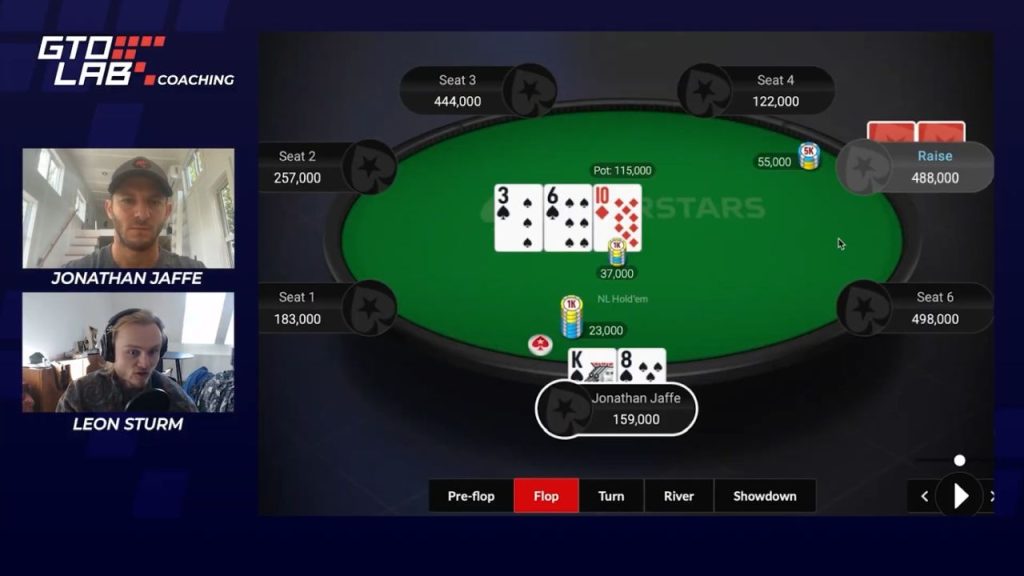
The first hand puts Jaffe on the button with K♠8♠ in a 3-bet pot. On a T♦6♣3♠ flop, he bets and faces a check-raise. This is a classic crossroads where many players default to a call with a strong draw. However, Jaffe and Sturm’s analysis reveals a more complex decision tree. They discuss how, in practice, jamming all-in can be superior. Why? Because it targets a key leak in many players’ strategies: over-raising medium pocket pairs (like 77-99) for “protection” and then folding those same hands to a 3-bet shove. A jam punishes this line, forcing folds from hands with significant equity and simplifying the rest of the hand.
This moment highlights a core tenet of modern advanced poker theory: a “protection” raise isn’t just about preventing your pair from being outdrawn. It’s about denying the in-position player the ability to barrel you off your equity with their wide range of bluffs. As Sturm points out, if you just call with your pocket sevens, you will face relentless pressure on almost any overcard. By raising, you force your opponent to have a legitimate hand immediately. Understanding both sides of this dynamic is crucial for anyone learning how to study poker at a deeper level.
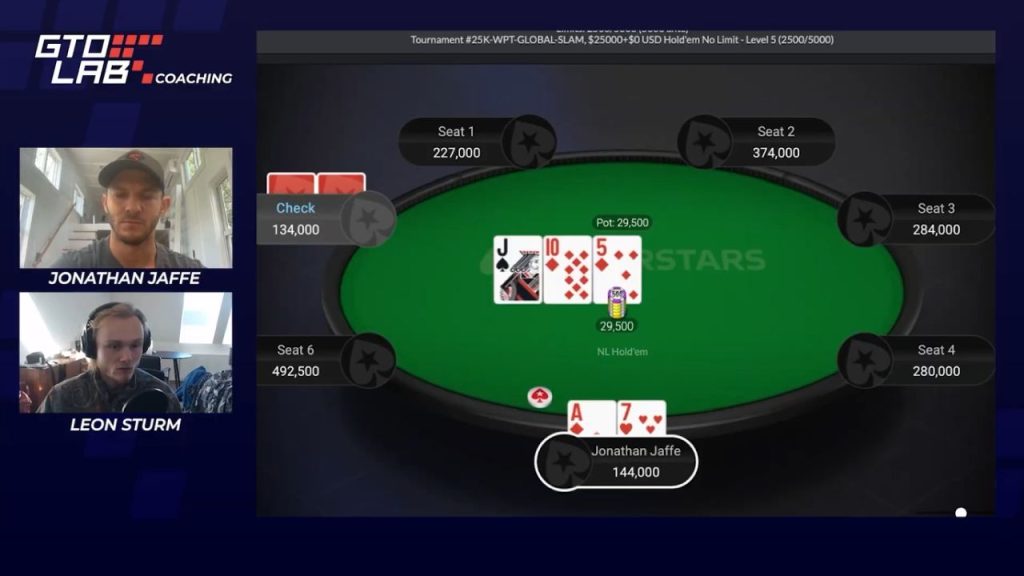
A more subtle application of bluffing theory: the double-delayed C-bet
The second hand demonstrates a different, more subtle application of bluffing theory: the double-delayed C-bet. Playing A♦7♥ on the button against Calvin Lee, Jaffe checks back on a J♠T♦5♦ flop. He checks again on the K♥ turn. When the river brings the 8♠, Jaffe fires a 60% pot bluff.
This line is devastatingly effective because it manipulates perceived ranges. A player who checks the flop and turn is often viewed as passive and holding a capped range of medium-strength showdown hands (like a weak Jack or a pocket pair). Opponents feel safe, assuming the player is under-bluffed. This perception creates the perfect opportunity. As Jaffe explains, he chose a hand with the worst possible showdown value (Ace-high with no pair) and no blockers to his opponent’s folding range (no club or spade). The bluff targets all of his opponent’s missed draws and marginal one-pair hands, which now face a difficult decision against a polarized bet. This is a masterclass in how to construct GTO poker ranges not just preflop, but across multiple streets. It echoes concepts discussed in other GTO LAB sessions, like Mastering 3 Hands of Bluffing, where the focus is on creating lines that put opponents in impossible spots.
Advanced Poker Theory in Multiway Pots
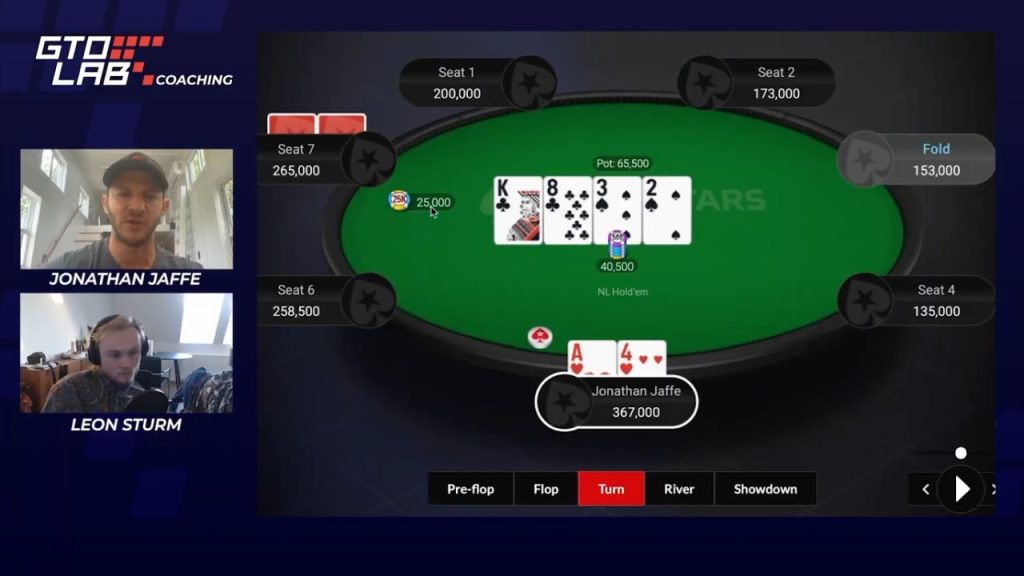
The final hand examined takes these ideas into an even more complex environment: a three-way pot. Jaffe flats the button with A♥4♥ against an open from Seth Davies, and GTO LAB coach Ike Haxton defends his big blind. The flop comes K♣8♣3♠, and it checks to Jaffe. Instead of making a standard continuation bet, he checks back, once again opting for a delayed line. His reasoning is that taking a passive approach often induces more significant mistakes from opponents on later streets, especially when they are less familiar with navigating delayed-aggression nodes.
After Haxton bets the 2♠ turn and Jaffe calls, the 7♦ river is checked to Jaffe. Having missed his draws, his ace-high has almost no showdown value. This makes it a prime candidate for a bluff. Jaffe’s logic here is twofold: first, his specific hand has poor showdown value, which is a key characteristic of a good bluffing hand. Second, his range requires bluffs in this spot to balance out his value bets (like straights or two pair). By turning his ace-high into a bluff, he puts Haxton’s capped range—full of one-pair hands and missed draws—to a difficult test.
This hand serves as a powerful lesson in navigating multiway pots and understanding relative hand strength. Jaffe’s decision to bluff the river wasn’t a random act of aggression but a logical conclusion based on his hand’s properties, the board texture, and the game state. It’s a perfect example of how an elite player thinks multiple steps ahead, turning a seemingly weak holding into a powerful, profitable weapon.
Ultimately, what this session with Jaffe and Sturm teaches us is that advanced poker theory is not about memorizing solver outputs. It’s about understanding the underlying logic—the why behind the play. Whether it’s punishing an opponent’s protection raises or exploiting a capped range with a delayed bluff, the goal is to identify your opponent’s assumptions and use them as leverage. By deconstructing these high-level plays, we get a glimpse into how the best in the world think, providing a clear and actionable framework for elevating our own games.